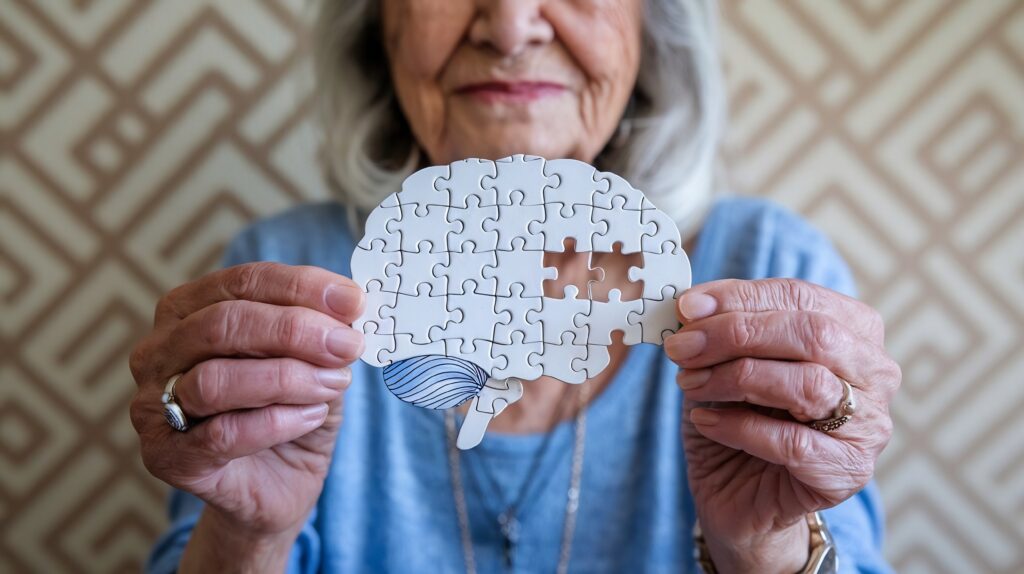
What is Dementia?
Dementia is a condition that affects the brain. It causes problems with memory, thinking, and behavior. Many people ask, “What is Dementia?” because it can change daily life. Dementia is not a normal part of aging. Instead, it is a group of symptoms caused by diseases that damage the brain. As a result, people with dementia may struggle to remember things or make decisions. According to the World Health Organization (WHO), dementia affects millions of people worldwide. Early signs of dementia can be mild, but symptoms often get worse over time.
Common Symptoms of Dementia
People with dementia may notice changes in how they think or act. For example, they might forget recent events or have trouble finding words. Not every person will have the same symptoms. However, some signs are more common than others.
Sometimes, these symptoms start slowly. But over time, they may become more noticeable. If you see early signs of dementia, it is important to talk to a doctor.
Causes and Risk Factors
Dementia can have many causes. Most often, it is linked to diseases that damage brain cells. For instance, Alzheimer’s disease is the most common cause. Other causes include stroke, head injuries, or certain infections. Some risk factors can increase the chance of developing dementia.
Although you cannot change your age or family history, you can lower some risks by making healthy choices.
How Dementia is Diagnosed
Doctors use several steps to diagnose dementia. First, they ask about symptoms and medical history. Next, they may do a physical exam and simple memory tests. Sometimes, doctors order blood tests or brain scans. These tests help rule out other causes of memory loss. The dementia diagnosis process can take time. However, early diagnosis is important for planning care and treatment.
Treatment Options for Dementia
There is no cure for most types of dementia. Still, treatment options for dementia can help manage symptoms. Doctors may prescribe medicines to improve memory or mood. In addition, therapy and support groups can help people cope. Sometimes, changes at home make daily life easier. For example, using reminders or keeping a routine can help.
Because each person is different, treatment plans should be personalized. Always talk to a doctor about the best options.
Tips for Living with Dementia
Living with dementia can be challenging. Yet, there are ways to make life easier. For example, keeping a daily routine can help reduce confusion. In addition, staying active and social is important. Here are some helpful tips:
With the right support, many people with dementia can enjoy a good quality of life.
Prevention and Brain Health
While not all cases of dementia can be prevented, some steps may lower your risk. For instance, keeping your brain and body healthy is important. Here are some ways to support brain health:
According to the CDC, these healthy habits may help protect your brain as you age.
If you or a loved one is experiencing memory problems, consult a neurologist Dr. Shalaj Jain for personalized advice.