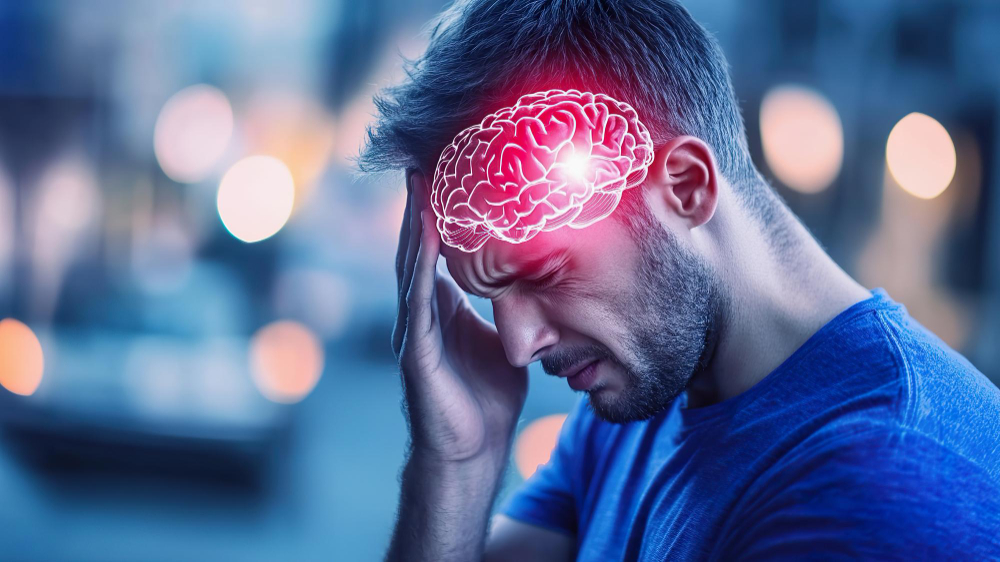
What is Depression?
Depression is a brain condition that affects how you feel, think, and act. Many people think depression is just sadness. However, it is much more than that. According to the World Health Organization, depression is a common mental health disorder. It can cause lasting feelings of sadness and loss of interest in daily life. Importantly, depression is not a sign of weakness. Instead, it is a real medical condition that needs care and support. For this reason, learning depression facts helps reduce stigma and encourages people to seek help.
Why Depression Is a Brain Condition
Depression is not caused by personal failure. Instead, it involves changes in the brain. For example, experts have found that depression affects brain chemicals called neurotransmitters. These chemicals help control mood, sleep, and energy. In addition, brain scans show that certain brain areas work differently in people with depression. Because of this, the neurology of depression shows it is a medical issue, not a weakness. Understanding this can help people feel less alone and more hopeful about treatment.
Common Symptoms of Depression
Depression symptoms can look different for each person. Still, some signs are very common. For instance, you might notice:
Sometimes, depression can also cause headaches or stomach problems. If you notice these symptoms for more than two weeks, it is important to talk to a doctor.
Causes and Risk Factors
Many things can lead to depression. For example, family history plays a role. If someone in your family has depression, your risk may be higher. Also, stressful life events, like losing a job or loved one, can trigger depression. In addition, long-term health problems, such as diabetes or heart disease, increase risk. Sometimes, changes in brain chemistry or hormones can also cause depression. Because depression is a brain condition, it is not something you can just “snap out of.” Instead, it often needs medical care and support.
How Depression Is Diagnosed
Doctors use careful steps to diagnose depression. First, they ask about your feelings, thoughts, and daily habits. Next, they may use simple tests or questions to check your mood. Sometimes, doctors also do a physical exam or blood tests. This helps rule out other health problems. For a diagnosis, symptoms must last at least two weeks and affect daily life. Because depression is a brain condition, early diagnosis helps people get the right treatment sooner.
Evidence-Based Treatments for Depression
There are many safe and proven ways to treat depression. For example, doctors often suggest:
Sometimes, a mix of therapy and medicine works best. In severe cases, other treatments like brain stimulation may help. According to the CDC, most people feel better with the right care. Because depression is a brain condition, these treatments target the root cause, not just the symptoms.
Lifestyle Tips for Managing Depression
Along with medical care, healthy habits can support recovery. For instance, you can try:
Even small changes can make a big difference over time. However, always talk to your doctor before making major changes to your routine.
Preventing Depression and Relapse
While not all cases can be prevented, some steps lower the risk. For example, managing stress and staying active can help. In addition, getting enough sleep and eating well support brain health. If you have had depression before, regular check-ins with your doctor are important. Early support can stop symptoms from coming back. Because depression is a brain condition, ongoing care helps keep you healthy and strong, consult Dr. Shalaj Jain if you notice signs.