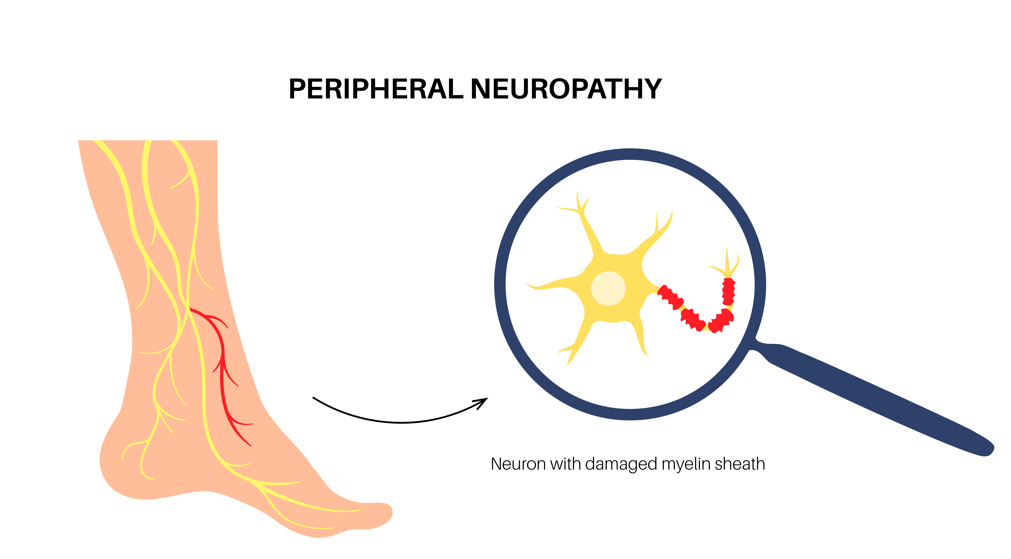
What is Peripheral Neuropathy?
Peripheral neuropathy is a condition that affects the nerves outside the brain and spinal cord. These nerves help you feel touch, pain, and temperature. They also control your muscles. When these nerves are damaged, you may notice changes in how you feel or move. For many people, peripheral neuropathy can cause pain, numbness, or weakness. Because this condition can affect daily life, it is important to understand its causes and treatments.
Common Causes of Peripheral Neuropathy
There are many nerve damage causes. Some of the most common include:
Sometimes, doctors cannot find a clear cause. In these cases, the condition is called idiopathic peripheral neuropathy.
Recognizing Symptoms
Peripheral neuropathy symptoms can vary. However, some signs are more common. For example, you may notice:
Because symptoms often start in the feet or hands, you may notice them there first. Over time, they can spread to other areas.
How Peripheral Neuropathy is Diagnosed
Doctors use several steps to diagnose peripheral neuropathy. First, they ask about your symptoms and medical history. Next, they perform a physical exam. Often, they check your strength, reflexes, and sense of touch. In addition, doctors may order tests such as:
Because early diagnosis helps, it is important to see a doctor if you notice symptoms.
Treatment Options
Treatment for peripheral neuropathy depends on the cause. For example, if diabetes is the cause, controlling blood sugar can help. Other treatments may include:
Sometimes, symptoms improve with treatment. However, some people may need long-term care.
Lifestyle Tips for Managing Peripheral Neuropathy
Living with peripheral neuropathy can be challenging. Yet, there are ways to manage symptoms and improve quality of life. Consider these tips:
Because small changes can make a big difference, try to follow these steps every day.
Prevention Strategies
While not all cases can be prevented, you can lower your risk of peripheral neuropathy. For example:
Because prevention is easier than treatment, start healthy habits early.
When to See a Neurologist
It is important to seek help if you notice signs of nerve damage. For instance, see a neurologist if you have:
Because early treatment can prevent more damage, do not wait to get help.
Consult a neurologist Dr. Shalaj Jain for personalized advice on peripheral neuropathy.