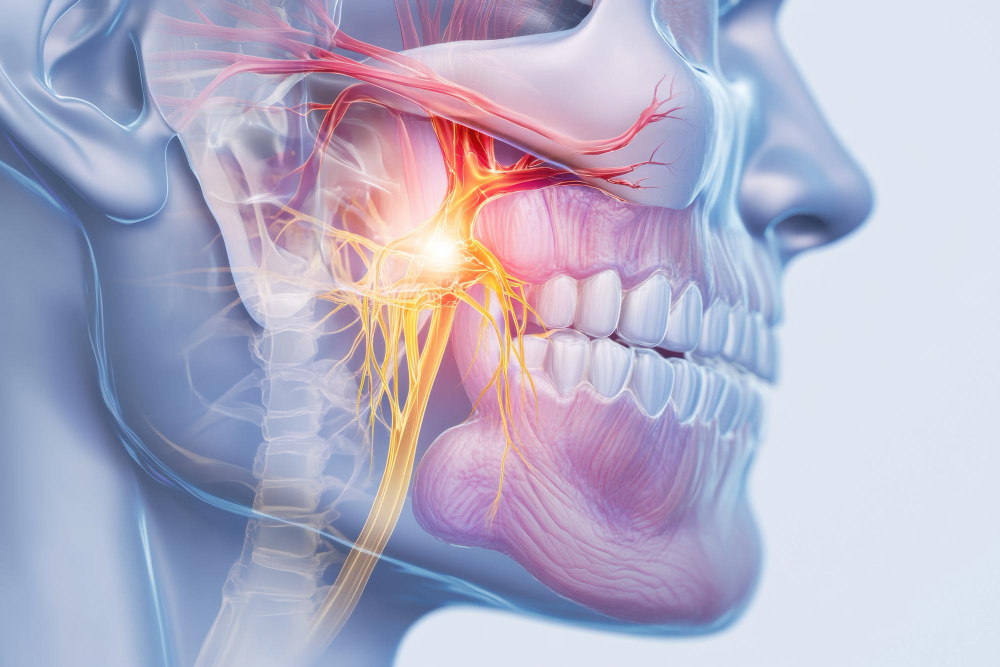
What Is Trigeminal Neuralgia?
Trigeminal neuralgia is a condition that causes sudden, severe facial pain. The pain comes from the trigeminal nerve, which controls feeling in your face. Many people describe the pain as sharp, electric, or stabbing. Because the pain can be intense, it often affects daily life. Trigeminal neuralgia is sometimes called tic douloureux. Although it is rare, it can happen to anyone, especially adults over 50. Early diagnosis and treatment can help manage symptoms and improve quality of life.
Symptoms and Warning Signs
Trigeminal neuralgia symptoms often appear suddenly. For example, you may feel pain on one side of your face. The pain can last from a few seconds to a few minutes. However, it may return many times a day. Common warning signs include:
Sometimes, the pain can be so strong that it affects eating or brushing teeth. If you notice these symptoms, you should talk to a doctor.
Common Causes and Risk Factors
Trigeminal neuralgia happens when the trigeminal nerve is irritated or damaged. Often, a blood vessel presses on the nerve near the brain. This pressure can cause the nerve to send pain signals. Other causes include:
Although anyone can get trigeminal neuralgia, some people are at higher risk. For instance, adults over 50 and women are more likely to develop it. Family history may also play a role.
How Is Trigeminal Neuralgia Diagnosed?
Doctors use several steps to diagnose trigeminal neuralgia. First, they ask about your symptoms and medical history. Next, they do a physical and neurological exam. This helps rule out other causes of facial pain. In many cases, doctors use imaging tests, such as MRI scans. These tests can show if a blood vessel or tumor is pressing on the nerve. Sometimes, doctors may order other tests to check for multiple sclerosis. Early diagnosis is important for proper treatment. If you wonder how trigeminal neuralgia is diagnosed, a neurologist can guide you through the process.
Treatment Options for Trigeminal Neuralgia
There are several ways to treat trigeminal neuralgia. The goal is to reduce pain and improve daily life. Treatment depends on the cause and severity of symptoms. Common options include:
For those seeking trigeminal neuralgia treatment in their city, many hospitals offer advanced care. Always discuss the risks and benefits with your doctor.
Lifestyle Tips and Self-Care Guidance
Living with trigeminal neuralgia can be challenging. However, some lifestyle changes may help reduce pain and improve comfort. Consider these tips:
Although self-care cannot cure trigeminal neuralgia, it can make daily life easier. Support from family and friends is also important.
Prevention and When to Seek Medical Help
There is no sure way to prevent trigeminal neuralgia. However, early treatment can help control symptoms and prevent complications. If you have sudden, severe facial pain, do not ignore it. Seek medical help if:
Prompt care can lead to better outcomes. For personalized advice on trigeminal neuralgia, consult Dr Shalaj Jain at Jain Advanced Neuro Clinic.